How to teach Machine Learning Algorithms
During machine learning lessons, students encounter algorithms in three different roles. As users, they simply try it out and evaluate the results. As machines, they can perform its steps and transform abstract rules into something tangible. Finally, as creators, they shape or code the algorithm themselves, taking full ownership of its behaviour. Guiding a class through this sequence — from user to machine to creator — helps them develop a deeper and more personal understanding of machine learning.
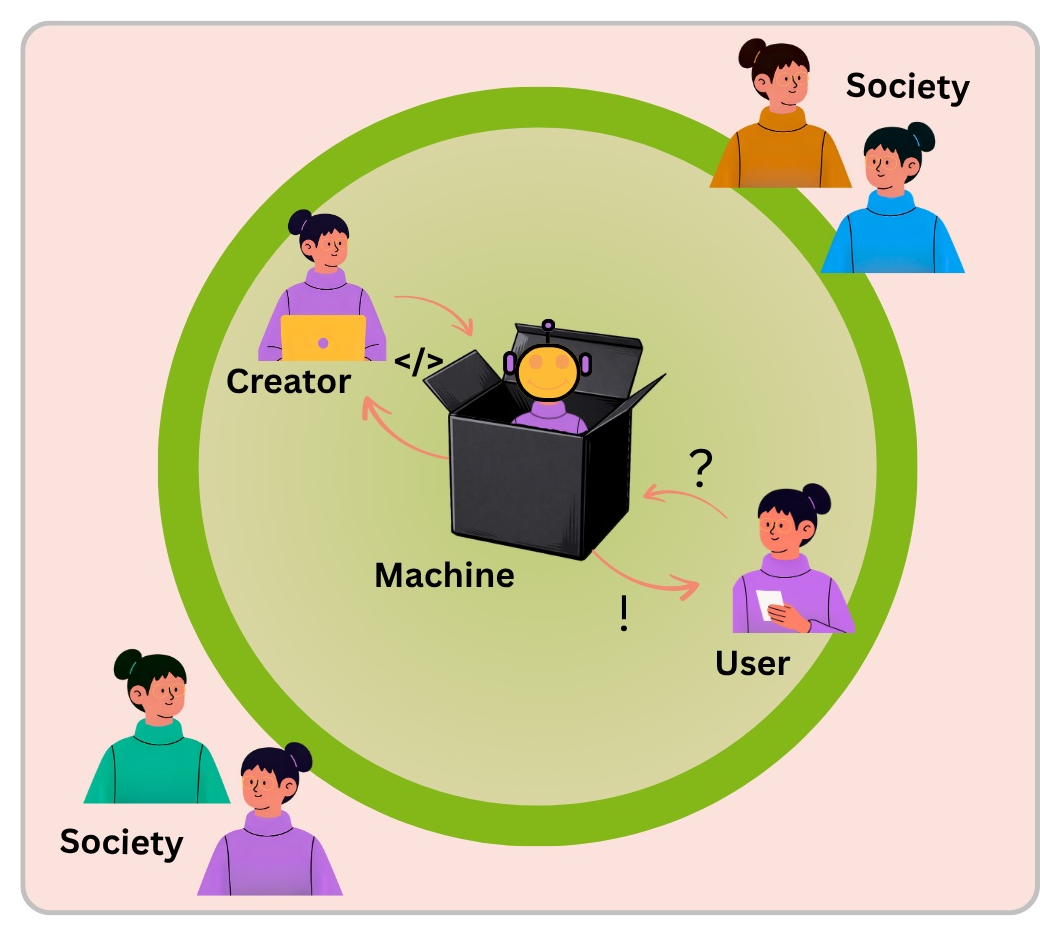
This diagram captures the core idea of this website: when teaching machine learning, all roles matter. At the centre sits the ML system, often perceived as a black box. Learners can approach it as a Creator who programs the algorithm, as the Machine itself, executing its steps and opening the box, or as a User who poses questions to the system and interprets its answers. All of this takes place within society, which is affected by ML systems and shapes how they are used. Only by experiencing every role do learners develop a complete understanding of machine learning.
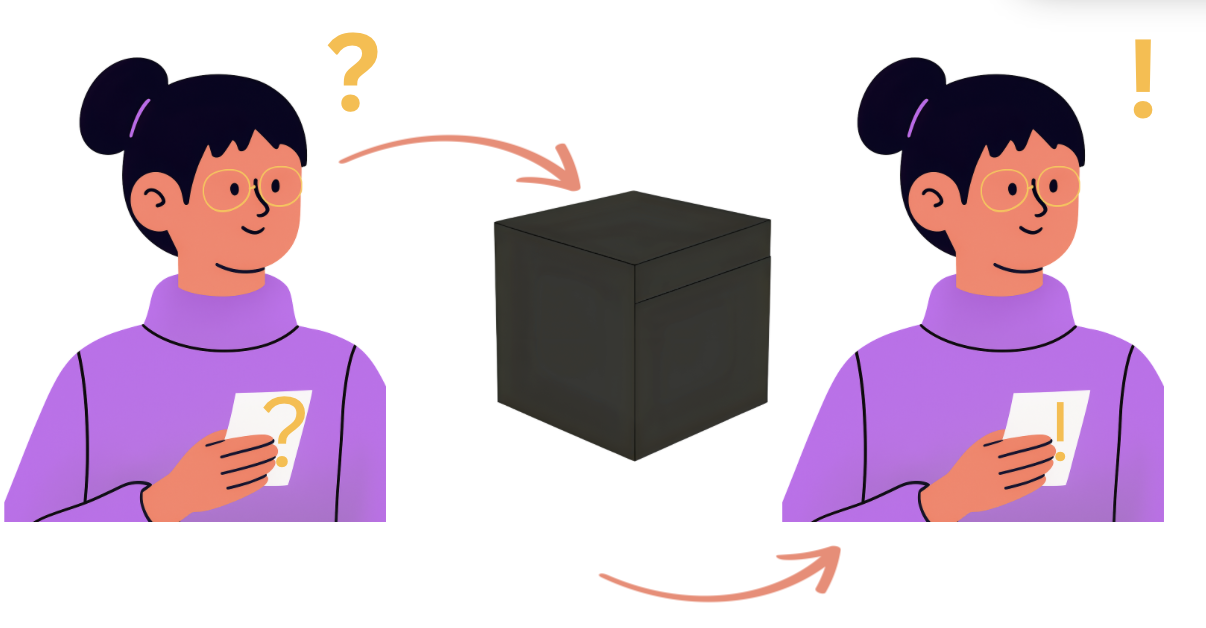
User
In a User activity, learners interact with a model. They provide inputs, observe the outputs and discuss accuracy or bias, without examining the underlying logic. Experiencing the system this way connects machine learning to everyday technologies and motivates them to explore the subject further.

Machine
During a Machine activity, we become the algorithm ourselves. By walking through a decision tree or clustering items by hand, abstract computation turns tangible. Missteps spark discussion and strengthen procedural understanding from a learner’s perspective.
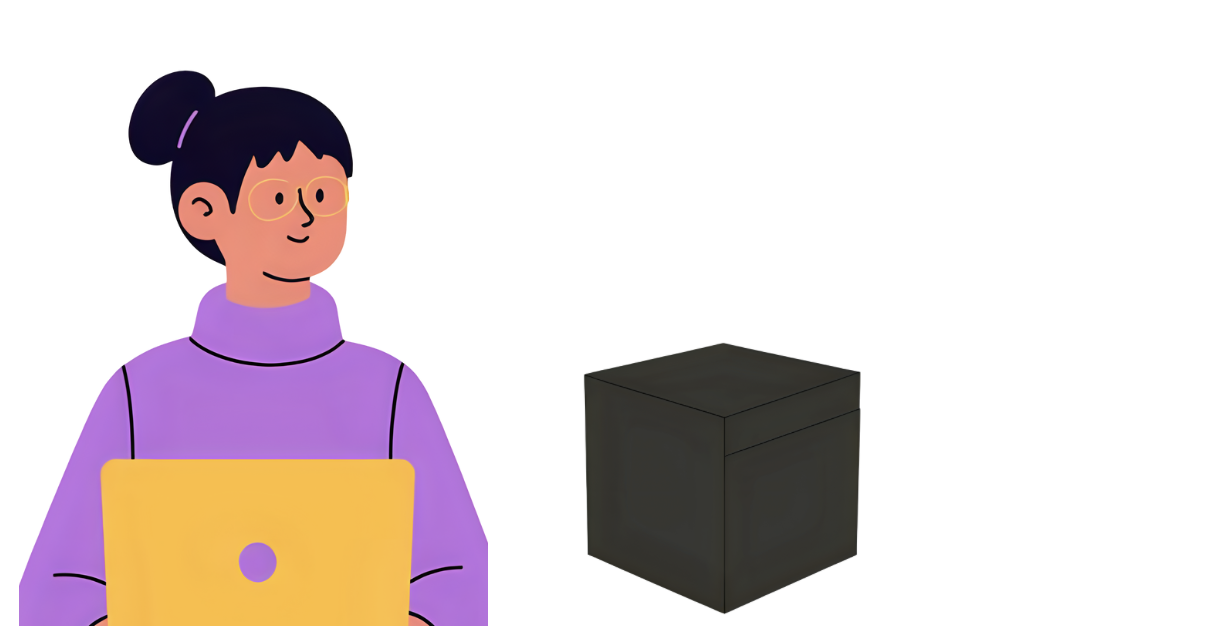
Creator
In a Creator activity, learners can alter key parameters, complete missing code blocks or even implement the entire algorithm themselves. This not only deepens conceptual insight but also hones their programming skills and fosters ownership of the model’s behaviour.
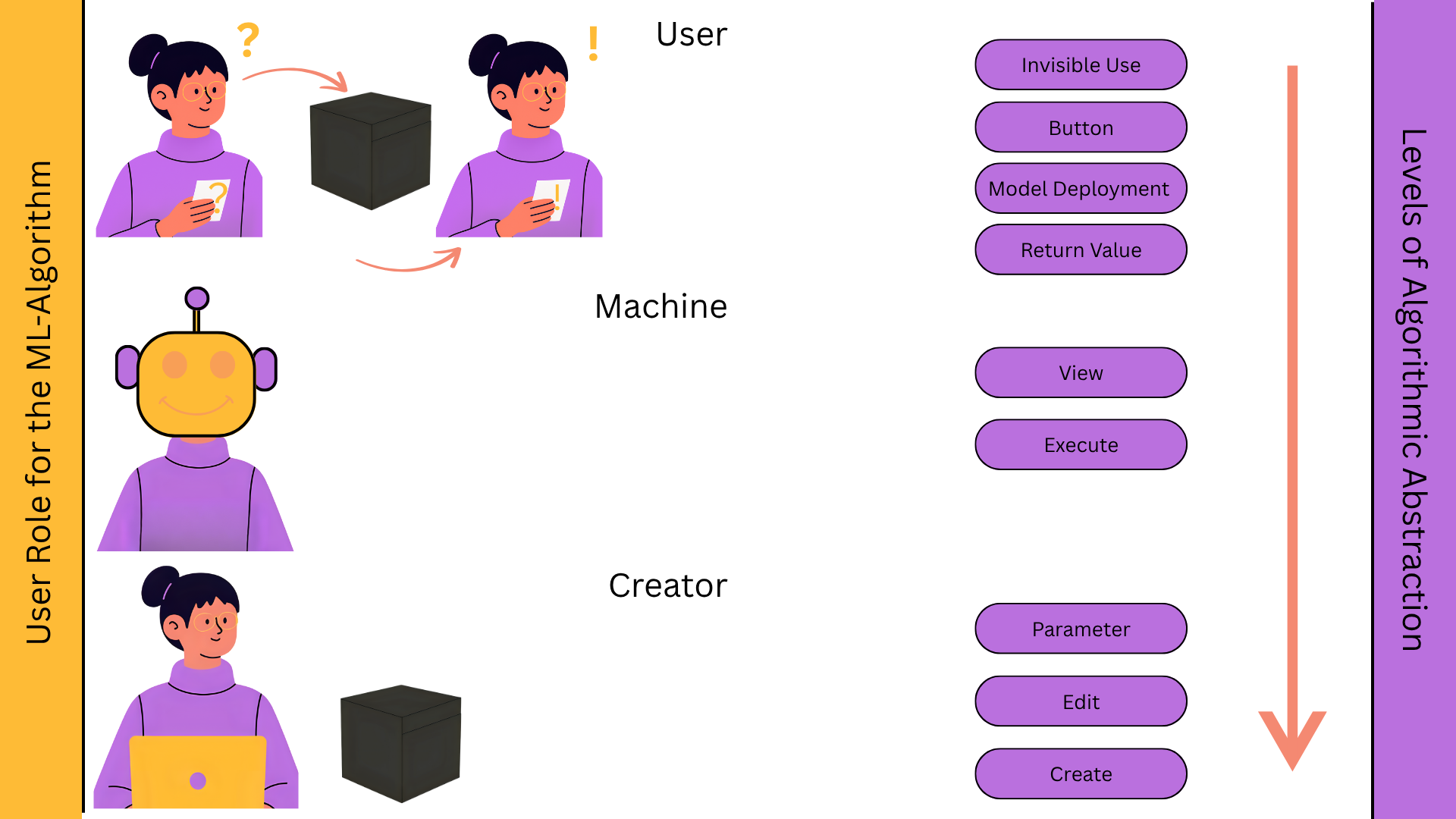
This diagram maps our three learner roles (User, Machine, Creator) to increasing levels of algorithmic abstraction. Decide where your students will start and how far you want them to travel along the abstraction axis.